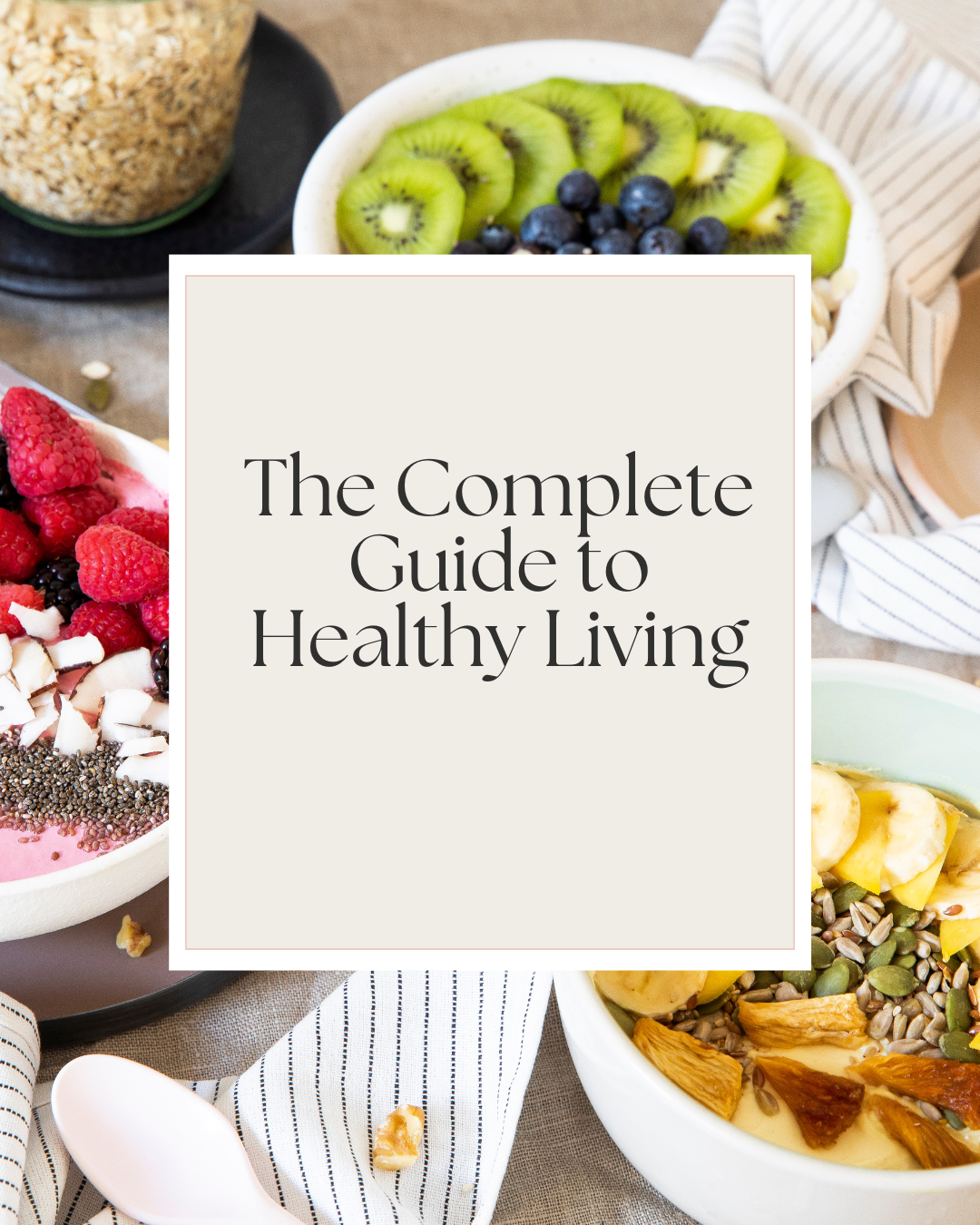
The Complete Guide to Healthy Living:
Introduction
Healthy living is one of the most important kinds of investments you can make in your future, honestly. In today’s fast-paced world it can feel kinda hard to keep yourself in good shape because schedules get busy, food choices are often not that great, stress stacks up, and there just isn’t enough physical activity. But here’s the thing, living in a healthy way does not have to mean extreme diets, pricey gym memberships, or some super complicated routine you can’t maintain. Usually it comes down to making small smart decisions every day, choices that gently build up your physical health, mental steadiness, and emotional well-being over time.
If you live healthier, you can help reduce the risk of long-term chronic diseases, you often notice more energy, better mental clarity, plus a stronger immune response. It also tends to add to your life expectancy. With healthy habits, and by improving bit by bit, pretty much anyone can move toward a better quality of life. This full guide for healthy living covers the main wellness pillars, like nutrition, exercise, sleep, stress management, hydration, mental health support, and preventive healthcare.
Understanding healthy living
Healthy living is kind of a balanced way of living that keeps your body fit, your mind steadier, and your feelings more even. It’s not about being perfect in any sense, more like building sustainable habits that will last,even when life changes. A healthy lifestyle usually means eating nourishing foods, keeping physically active, getting adequate sleep, handling stress in a smart manner, and steering clear of harmful habits, like smoking or too much alcohol.
A lot of people think health is only about body weight or appearance. But really, health is a lot broader than how you look in a mirror. True health includes having the energy to manage everyday tasks, staying connected with strong relationships, feeling emotionally grounded, and holding onto a hopeful attitude. Healthy living is more of a lifelong voyage, that keeps shifting as your needs and circumstances start to change,so it never really “stops”
Nutrition is the base of healthy living:
Basically, what you eat affects pretty much every task your body has going on, from energy routines to how your immune system reacts. When you keep to a well-rounded diet it gives your body the right mix of nutrients for growth, mending, energy making, immune support, and even disease prevention too. And if you eat good stuff on a regular basis, your body tends to work more smoothly. You also end up being more ready to handle sickness , and you can keep your overall health in a better condition.
A good eating plan should have a mix of fruits, vegetables, whole grains, lean proteins, and healthy fats. These foods bring important vitamins , minerals, antioxidants, plus fiber, which all assist your general well-being in different ways. Fruits and vegetables matter a lot, because they contain strong compounds that help guard cells from harm linked to free radicals. In particular, colorful produce like berries, leafy greens, carrots, tomatoes, and citrus fruits offer a broad set of benefits, not just one.
Whole grains such as brown rice, oats, quinoa, and whole wheat products are a steady source of fuel. They also help the digestive system stay on track. For proteins, lean options like fish, chicken or turkey, beans, lentils, eggs, and tofu do more than fill you up. They help form and repair tissues, support muscle development, and contribute to immune function. Then there are healthy fats, found in avocados, nuts, seeds, olive oil, and also in fatty fish. These kinds of fats support brain function, help with hormone balancing, and are helpful for heart health, overall.
The Role of Hydration in Healthy Living
Water is essential for life and it kind of, it plays a big critical role in keeping good health going. Like every cell, tissue, and organ in the body relies on water so it can do its job properly. When you stay hydrated you help regulate body temperature, move nutrients through the system, wash away waste products, keep joints lubricated, and also support healthy digestion, in a smooth way.
A lot of people underestimate how important hydration is, and they just don’t drink enough water during the day. Even mild dehydration can bring on fatigue, headaches, less focus, and a drop in physical output. On the other hand, getting enough water can help boost energy, support weight management, improve skin condition, and generally promote overall well-being, yes.
Now, hydration requirements differ a bit from person to person, depending on age, how active someone is, and what the climate is like. Still, most adults do well when they drink several glasses of water each day. Also, you can get additional fluids from water-rich foods like cucumbers, watermelon, oranges, and strawberries, that part matters too. Building the habit of sipping water regularly across the day is really a simple step, yet it’s pretty powerful for healthy living.
Physical Activity and Fitness for a Healthy Lifestyle
Regular physical activity is one of the most effective ways to boost health and prevent disease, honestly. Exercise helps the heart, lungs, muscles and bones, but it also backs up mental health and emotional steadiness. Folks who are active regularly are usually less likely to end up with long term issues like heart disease, type 2 diabetes, obesity, and a few kinds of cancer.
You do not have to be doing intense workouts or staying at the gym for hours. Stuff like walking, cycling, swimming, dancing, and even gardening can bring real benefits. The main point is repetition, and also picking activities that feel right for you. Once moving becomes a steady piece of your daily routine, it tends to stay easier, over time.
Cardiovascular exercise supports heart health and stamina by making the circulatory system work more efficiently. Strength training builds muscle, improves metabolism , and helps maintain bone density too. Flexibility and mobility exercises, like yoga, stretching, and similar practices support joint function and can lower your injury risk. When you mix different types of movement, you end up with a balanced fitness approach that supports overall well-being and longer life
.
Why Sleep Is Essential for Health and Wellness
Sleep gets kinda pushed aside in a lot of conversations about staying healthy, even though it is really one of the big factors that affects overall well-being. While you are asleep, the body goes about fixing worn tissues, locking in memories, balancing hormones, and it even helps the immune system stay strong. If you don’t get enough sleep, your physical stamina and your brain work can both drop, often in ways you might not notice at first.
When sleep quality is poor, it has been tied to several health issues, like obesity, diabetes, heart problems, depression, and a reduced ability to fight off illness. Not sleeping enough can also mess with concentration, slower decisions, and emotional control, so handling everyday duties and stressful moments becomes more difficult, almost immediately.
Most adults need about seven to nine hours of solid sleep each night. You can help by keeping a steady sleep routine, making the bedroom more comfortable, and cutting down on screen time before bed. Making rest a priority isn’t some extra treat or luxury it’s a necessity for staying well and for getting the best performance in basically every part of life.
Managing Stress for Better Health
It is normal for everyone to experience stress sometimes, but excessive or constant stress may lead to severe outcomes and negative impacts on physical and mental well-being of an individual. When there is long-term stress in the body, hormones like cortisol and adrenaline increase, causing inflammation, hypertension, weak immune system, among other conditions.
The lifestyle that is characteristic of today’s generation is filled with stress caused by work, financial concerns, family, social obligations. It becomes vital to learn ways to manage stress properly and to remain healthy. Positive stress management strategies not only make a person more resilient emotionally but protect him or her from stress-related illnesses.
Mindfulness practices, meditation, deep breathing, and yoga classes are some effective approaches to relax and relieve stress. Physical activities should also be considered an efficient stress reduction strategy as they trigger endorphin release, resulting in improvement of mood and reduction of anxiety. Other approaches include spending time outdoors, engaging in hobbies and building strong social bonds.
The Connection Between Mental Health and Healthy Living
Mental health is a vital part of overall well-being and deserves the same attention as physical health. Good mental health helps people cope with challenges, build healthy relationships, and make informed decisions. It also contributes to greater happiness, resilience, and overall life satisfaction.
Proper nutrition, exercise, sleep, and having supportive people around positively affect mental wellness. Proper nutrition nourishes the brain and exercise helps to decrease anxiety and depression. Sleep makes one’s emotions and thinking processes better. Having good relations allows a person to receive emotional support from others.
When necessary, looking for professional help is an important aspect of taking care of mental wellness.
Maintaining a Healthy Weight Naturally
For many people who are striving for improved wellbeing, healthy weight management becomes their ultimate goal. Healthy weight management should be achieved through sustainable changes in life rather than temporary diets.
Eating a nutritious diet and exercising regularly becomes the best strategy to manage one’s weight effectively. It is important to include nutritious foods into your daily menu because they reduce appetite while ensuring that all needed nutrients enter your body. Exercises will help to burn calories and build muscles and metabolism.
Instead of paying attention only to one’s weight, it is necessary to pay attention to the improvement of one’s body composition, physical fitness, and general wellbeing. Small but consistent efforts can help you achieve your goal.
Preventive Healthcare and Disease Prevention
Preventive healthcare helps maintain long-term health and reduces the risk of serious diseases.
Regular checkups, health screenings, and vaccinations can identify problems early. Early detection often leads to more effective treatment and better outcomes.
Preventive care can cover things like keeping an eye on blood pressure, cholesterol levels, blood sugar readings , and a handful of other key health markers. People should also try to stick with the suggested screening timelines for issues such as cancer, osteoporosis, and cardiovascular disease. It really helps to work alongside healthcare professionals, so any worries are handled quickly, and in the right manner
Beyond medical visits, preventive steps often include keeping a healthy lifestyle, practicing good hygiene, staying away from tobacco products, and reducing time around environmental hazards. Taken together, these choices support overall wellness, and they can add years to life in a very practical way.
Building Healthy Relationships and Social Connections
Humans are pretty naturally social beings, and like meaningful relationships they kinda end up mattering a lot for healthy living.</p>
Strong social connections provide emotional support and reduce loneliness. They can also improve mental and physical health.
Resea
rch shows that people with healthy relationships often live longer and report higher levels of happiness.
But it’s not just automatic, building and keeping healthy relationships means communication , trust, empathy, and mutual respect.
Spending quality time with family and friends can strengthen relationships. Participating in community activities and social groups can also help you build meaningful connections.
Positive relationships create a sense of belonging and purpose. Both are important for emotional well-being.
Investing time and effort in genuine social interactions can support long-term mental and physical health.
Creating Sustainable Healthy Habits
One of the biggest challenges when it comes to living healthy is keeping things consistent. A lot of people start health plans with real energy, then kind of lose the thread as time goes on. The main point for long term success is making habits that sort of slide naturally into your everyday routine, not something you fight with.
Healthy habits come together through repetition, and a slow, steady kind of improvement. Instead of trying to force massive life changes, it helps to choose small, doable targets.
Adding a serving of vegetables to each meal, taking a daily walk, or drinking more water can make a big difference. Small changes often lead to healthier habits over time.
Track your progress, celebrat
e small victories, and stay positive. These habits can help you stay motivated.
Consistency matters more than perfection. Every small step contributes to better health over time.
Conclusion
Healthy living is a long term commitment to making choices that help your physical, mental,
Focusing on proper nutrition, regular exercise, adequate hydration, quality sleep, stress management, mental health, preventive care, and meaningful relationships can improve overall quality of life.
These habits can also reduce the risk of long-term chronic diseases.
This path toward better health doesn’t need perfection,or huge makeovers. It’s more like daily steps, where you keep picking better options, even when they’re small.
Every healthy choice adds up. It can strengthen your body, sharpen your mind, and improve your quality of life.
Treat healthy living as a lifestyle, not a short-term goal. This approach can lead to lasting wellness, higher energy levels, and greater happiness for years to come.